

📚 What to read after someone you know has a stroke
As an English major and a lifelong reader, one of the only things I could bring myself to do while I was sitting in the ICU with my mom was to search for a book. On what exactly, I didn’t know—stroke recovery, caregiving support, life, death, and grief. Reading creates space for immersion, empathy, reflection. Through someone else’s experience, you find clarity in your own.
Over the course of the last 4 years, I’ve turned to many books to help me process and digest. Curating a few of them here.
My Stroke of Insight, a Brain Scientist’s Personal Journey, by Dr. Jill Bolte Taylor
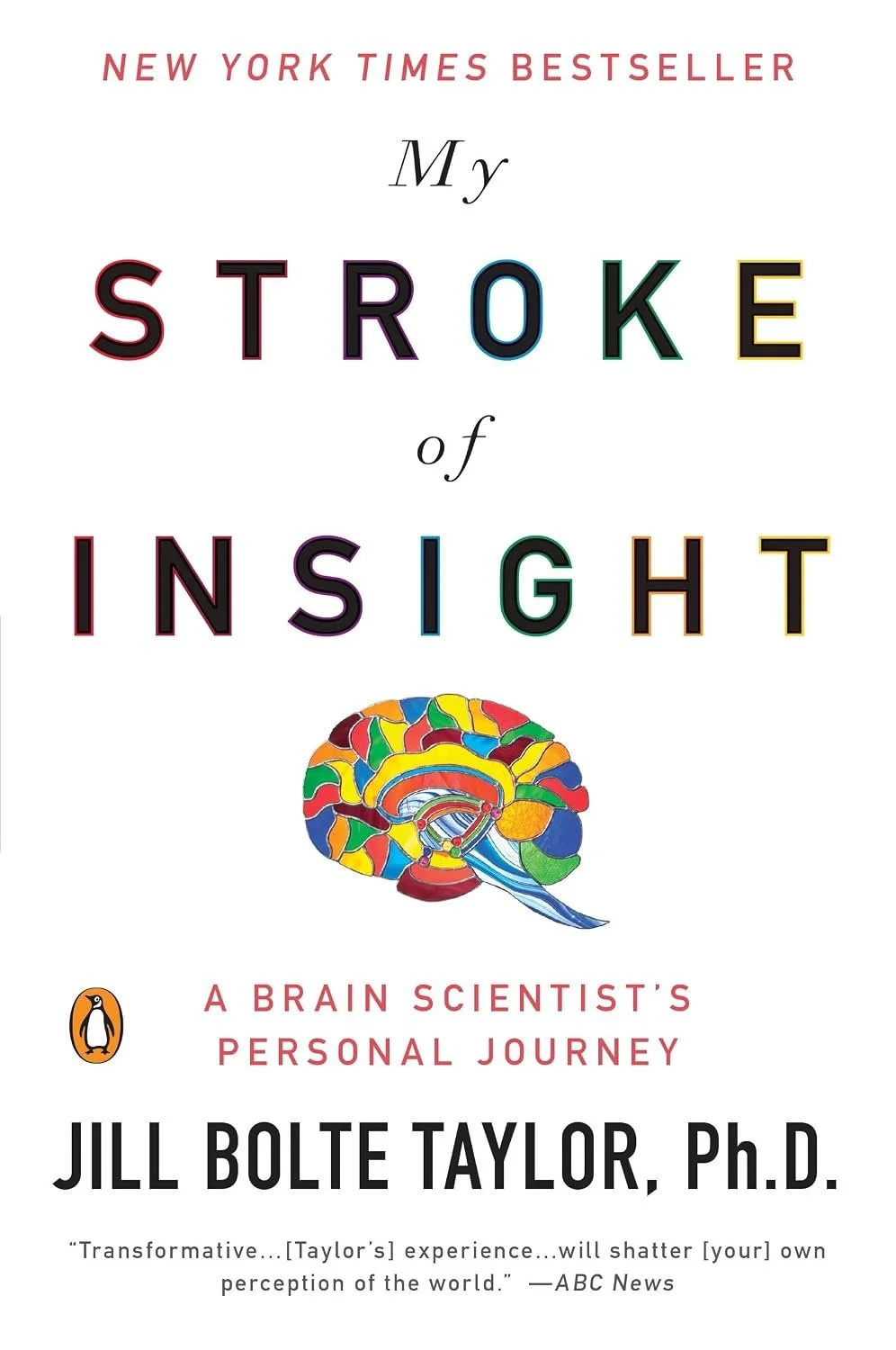
I read this for the first time during the long visiting hours in the ICU
This is a firsthand account of what it feels like to experience a stroke, and the recovery, chronicled in great detail by American neuroanatomist Dr. Jill Bolte Taylor. It helped me know what to say when my mom was intubated, and how to help when she couldn’t speak at all. It taught me that just being present is enough.
Hope After Stroke, For Caregivers and Survivors, by Tsgoyna Tanzman
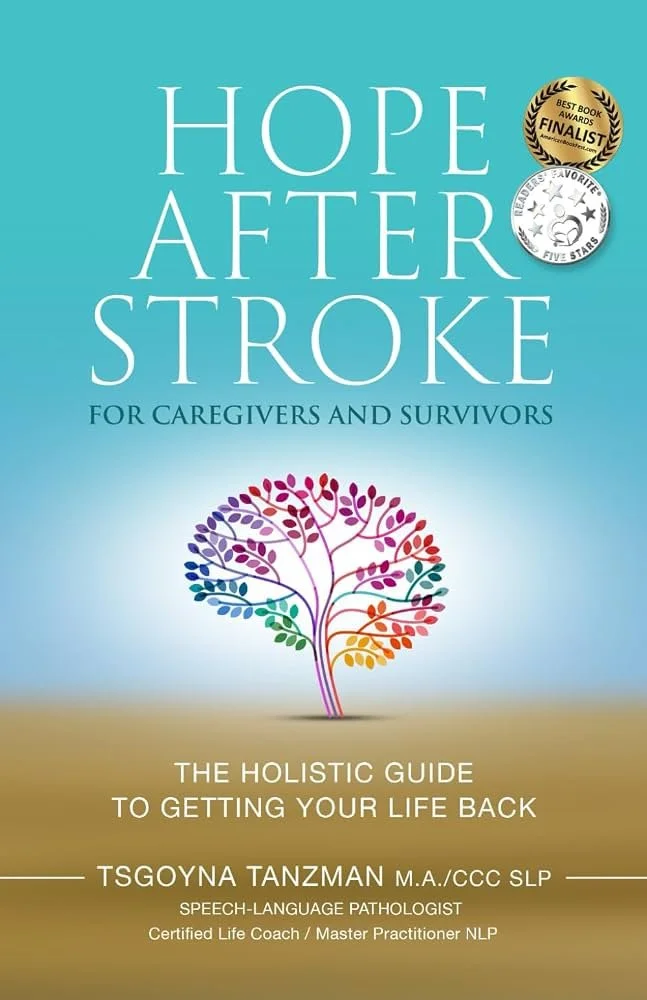
A more tactical guide
This is a good read once you’re ready to start diving into the process of recovery. It’s a long road, and this is a window into what it will take—along with some helpful insight from someone who has seen this season up close many times.
The Brain That Changes Itself, by Norman Doidge, M.D.
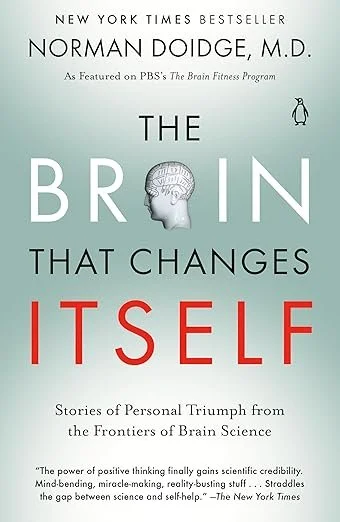
Answers from science
While I may never stop wondering how this could happen, this book at least provided some scientific explanation of what happened. It’s a step toward understanding the physicality of “how,” separated from the emotions of “why.” It’s also heartening to learn in laymen’s terms how much the brain can transform with small investments in habit.
The Year of Magical Thinking, by Joan Didion
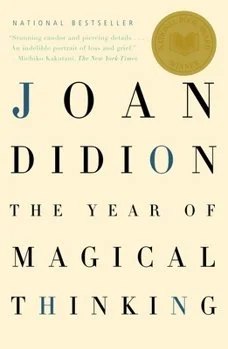
An author’s version of grief
I didn’t read this until years after the stroke, as it isn’t tactical or especially linear. While I’ll continue to read chronicles of grief as part of how I process life, I found this relatable in that it’s a little hard to parse, and feels a little disoriented, exactly as grief does. The word the author uses more than once to describe her memories is “mudgy,” which circles the impossible-to-describe overwhelming weight of grief.
When Breath Becomes Air, by Dr. Paul Kalanithi
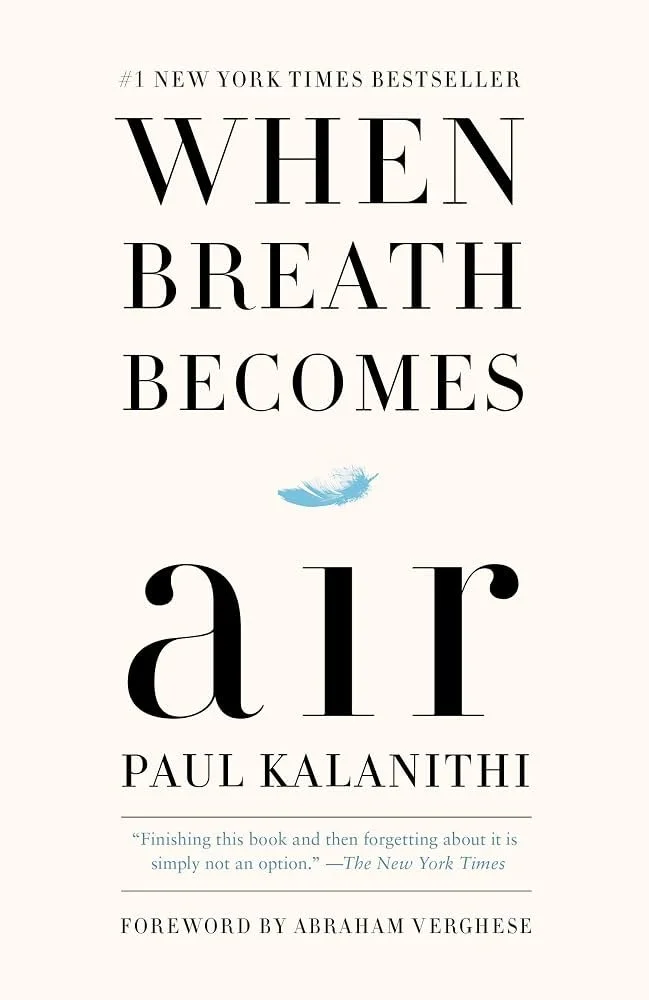
The book everyone should read before they die
I’ve read this book 5 times, and will probably read it 5 more. It’s a posthumously published memoir by a Stanford neurosurgeon diagnosed with terminal lung cancer at age 36. The book details his journey from a doctor treating the dying to a vulnerable patient. It’s incredible for every reason you’d imagine, but as a student of literature at Stanford before medicine he was also extraordinarily well-read.
Kalanithi fills the book with literary references. Here's what stands out:
Quoted as epigraphs / recurring touchstones
T.S. Eliot — especially The Waste Land, which he returns to repeatedly for its themes of meaninglessness and isolation, and the poem "Whispers of Immortality." He quotes The Waste Land in particular and is greatly affected by its themes of meaninglessness, isolation, and the desperate quest for human connection.
Montaigne — his essay "That to Study Philosophy Is to Learn to Die" opens one section.
The King James Bible
Fulke Greville's "Caelica 83" — the poem that gives the book its title.
His favorite book
Religio Medici by Sir Thomas Browne (1643) — a spiritual memoir he describes his teacher Shep Nuland as having quoted on his deathbed.
Other classics he references throughout
Shakespeare's Hamlet, Aldous Huxley's Brave New World, Alexandre Dumas's The Count of Monte Cristo, Daniel Defoe's Robinson Crusoe, Walter Scott's Ivanhoe, Machiavelli's The Prince, Thomas Malory's Le Morte d'Arthur, and Cervantes's Don Quixote.
Non-literary but relevant
How We Die by Sherwin "Shep" Nuland — he refers to his experience reading this 1995 book, one of the first to confront death head-on and fuel a national conversation about end-of-life decisions.
A bonus suggestion from AI: Being Mortal by Atul Gawande — not stroke-specific, but essential on medicine, aging, and what matters at the end of capability; pairs naturally with When Breath Becomes Air.
A Grief Observed, by C.S. Lewis
For when I’m ready
This is next on my reading list, but won’t read until I have the space to process it. I expect this book to cut more into why these things happen, vs. what and how.